
Alfred’s Castle, Oxfordshire.
(near Ashbury and Bishopstone)
Introduction: This was a double-circle event. Two circles very close to one another appearing on the same night. The information on this page is for both of the circles. These crop circles were first reported on the 3rd of July 2026. Each circle on opposite sides of Alfred’s Castle (a small earthwork), see more below.
Location details: Google Maps Link OS Grid Ref: SU 27728 82233. What-three-words: searches.card.regularly
Note: The locations given above are for Alfred’s Castle, from which both circles should be visible.
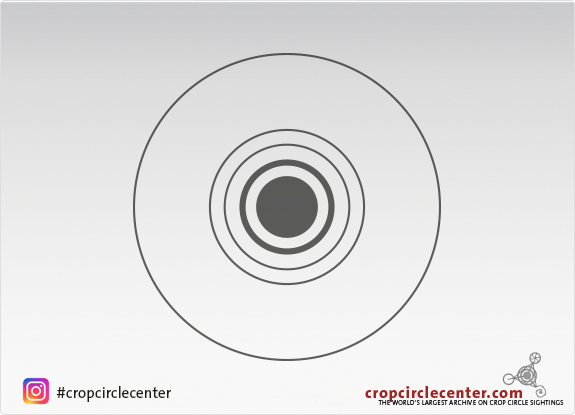
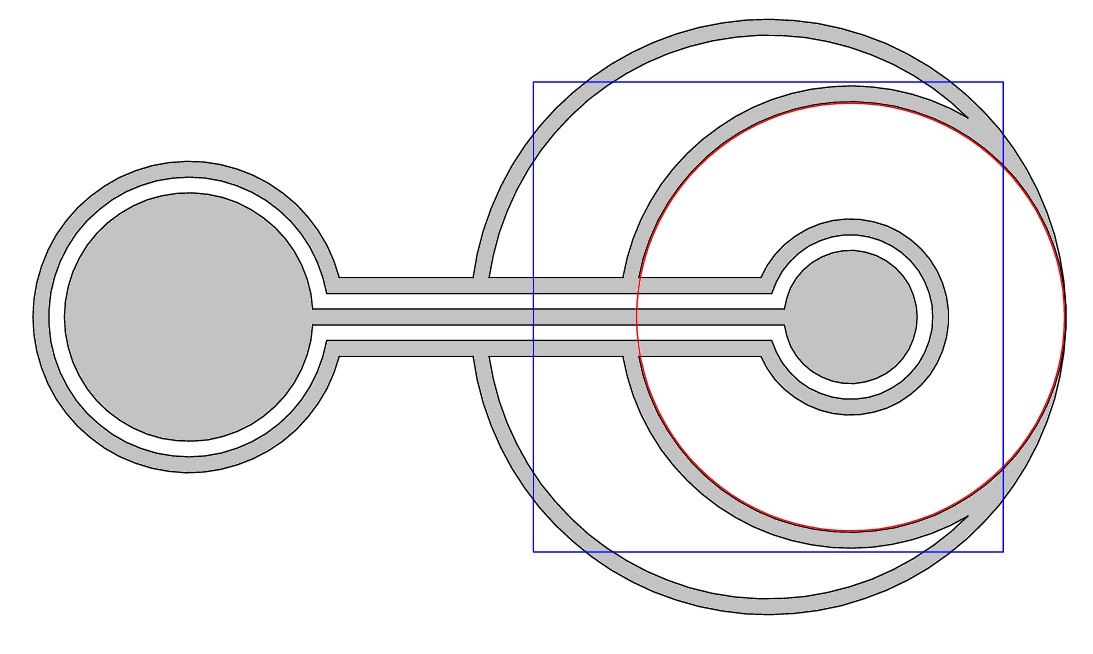
Description: One formation was an old-fashioned dumbbell design, with a crescent moon on one end. The other as a central circle with many fine concentric rings. It is rare, but not unheard of for circles to appear in doubles, or as ‘siblings’ as we often call them.
Interior: The interior of this circle contained some lovely swirled and stylised centres. Make sure to look at the images in the gallery below.
Flight: We were able to fly this circle approximately 4-5 days after its appearance and both circles were still in very good condition. You can enjoy Steve’s photography below, with additional images by Simon Young and Tomasz Kaczmarek. We’d like to express our many thanks to both Simon and Tomasz for allowing us to share their images on our website.
We are still fund-raising to fly this season, if you’d like to make a donation to our flight fund, you can do that here.
Visiting: Important: You will need permission from the farmer to enter this field. As far as we know there is no current permission to enter these circles. Please read our downloadable PDF about visiting the crop circles responsibly.
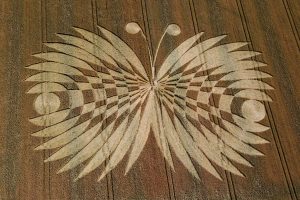
The Hailey Wood Butterfly of 2007
Location History: This is a very pretty location indeed. Alfred’s Castle is a Bronze Age settlement with ditch. These circles also lie close to Ashdown House a beautiful ‘dolls house’ of a building, built in 1662.
Interestingly, as I looked at the maps I saw that these circles are very close to Hailey Wood, where the famous butterfly circle of 2007 appeared.
General Information:
Visiting the Circles? If you are thinking of visiting any crop circles this summer, please read our Visiting the Crop Circles section. It’s full of useful information and etiquette for visiting the countryside and the crop circles. Please remember that you should not enter any field without the express permission of the farmer.
Click here for Copyright Information about the reproduction of images on this website.
Please Help to keep us Flying in 2026: We hope to take to the skies again in 2026 to record the circles that appear this summer. If you have enjoyed looking at our pictures and information please consider making a small donation to keep us flying. There are so few of us left regularly recording the circles it’s really important that we continue. And while some now use drones to record the circles, it is important that there are still images taken from aircraft where the best quality camera equipment can be used and images that include the broad vista of the landscape can be taken. This kind of photography is expensive and it gets harder with each passing year to raise the funds we need to continue our work, but if everyone who regularly looked at this website made a small donation we would meet the funds we need. You can make a donation here.
NOTE: Some of the images below are beautiful landscape scenes. Click on each image to enlarge them and see the whole picture.
General Information:
Visiting the Circles? If you are thinking of visiting any crop circles this summer, please read our Visiting the Crop Circles section. It’s full of useful information and etiquette for visiting the countryside and the crop circles. Please remember that you should not enter any field without the express permission of the farmer.
Click here for Copyright Information about the reproduction of images on this website.
Please Help to keep us Flying in 2026: We hope to take to the skies again in 2026 to record the circles that appear this summer. If you have enjoyed looking at our pictures and information please consider making a small donation to keep us flying. There are so few of us left regularly recording the circles it’s really important that we continue. And while some now use drones to record the circles, it is important that there are still images taken from aircraft where the best quality camera equipment can be used and images that include the broad vista of the landscape can be taken. This kind of photography is expensive and it gets harder with each passing year to raise the funds we need to continue our work, but if everyone who regularly looked at this website made a small donation we would meet the funds we need. You can make a donation here.
NOTE: Some of the images below are beautiful landscape scenes. Click on each image to enlarge them and see the whole picture.
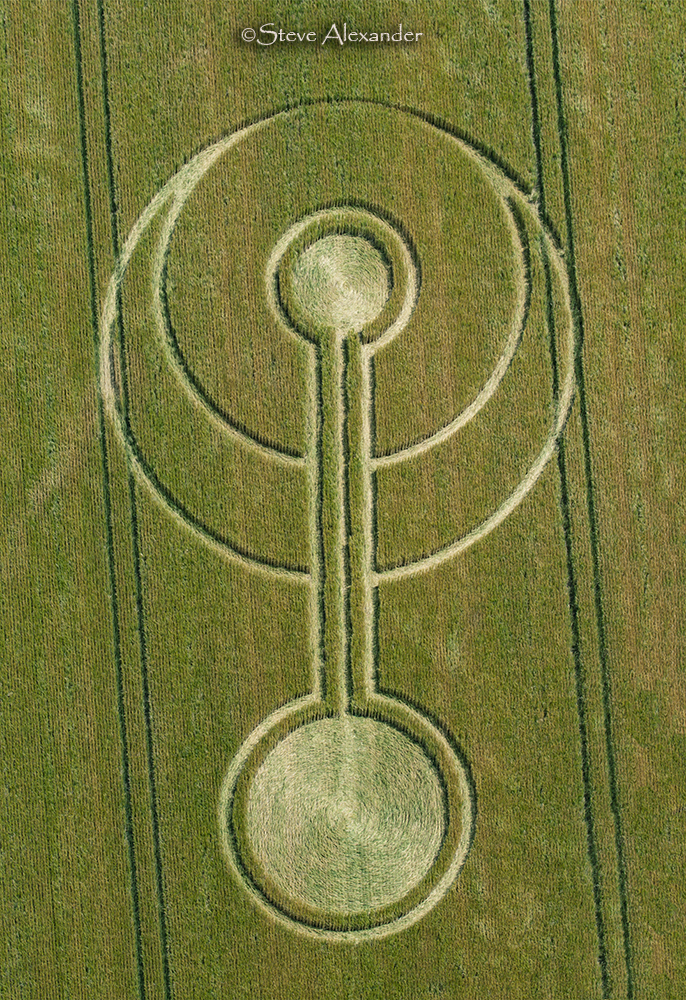
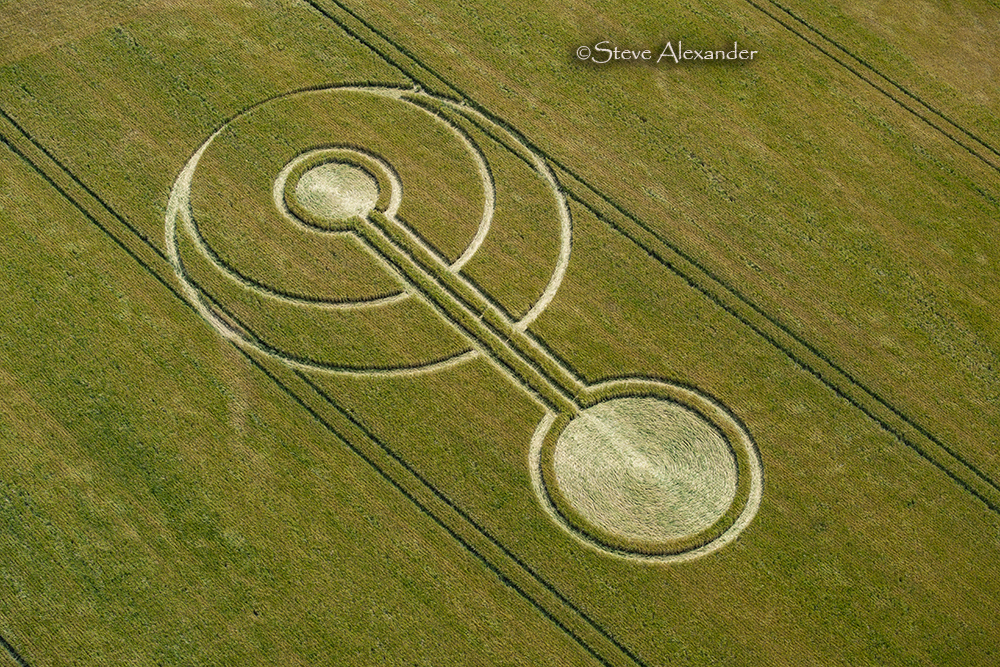
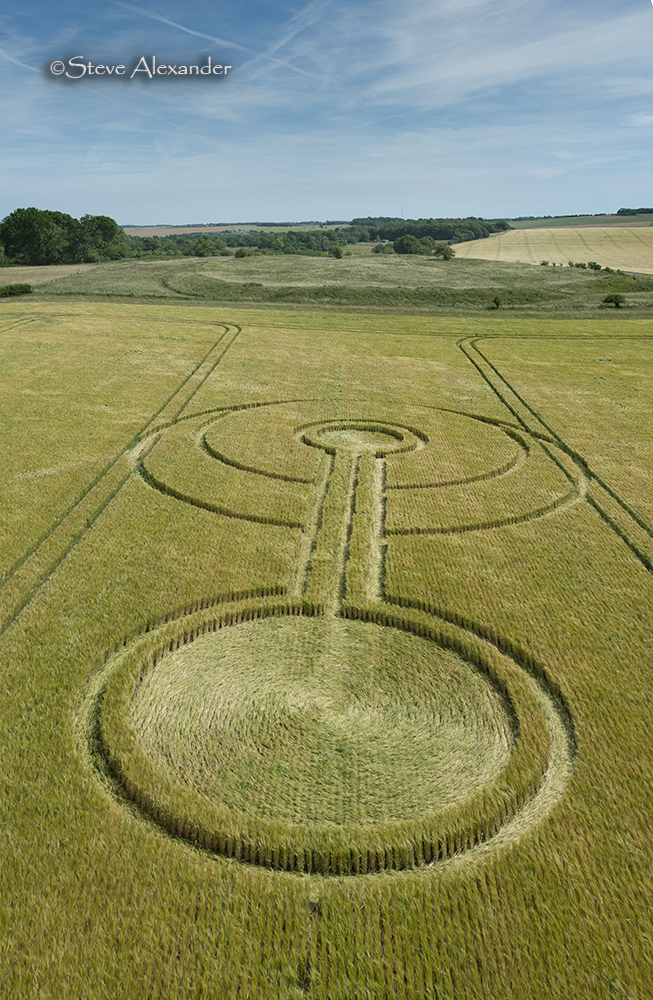
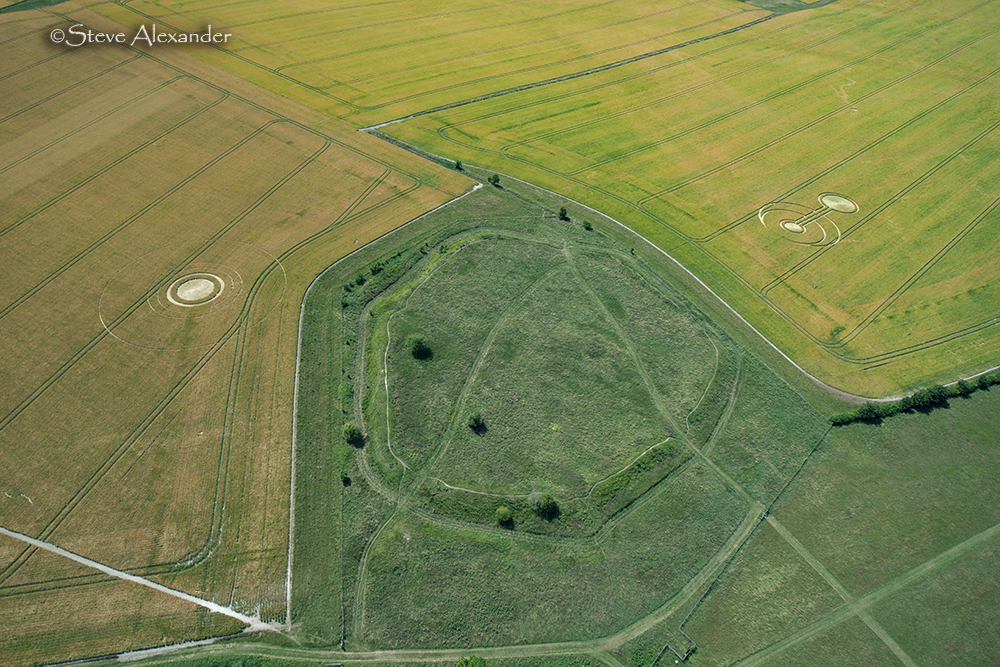
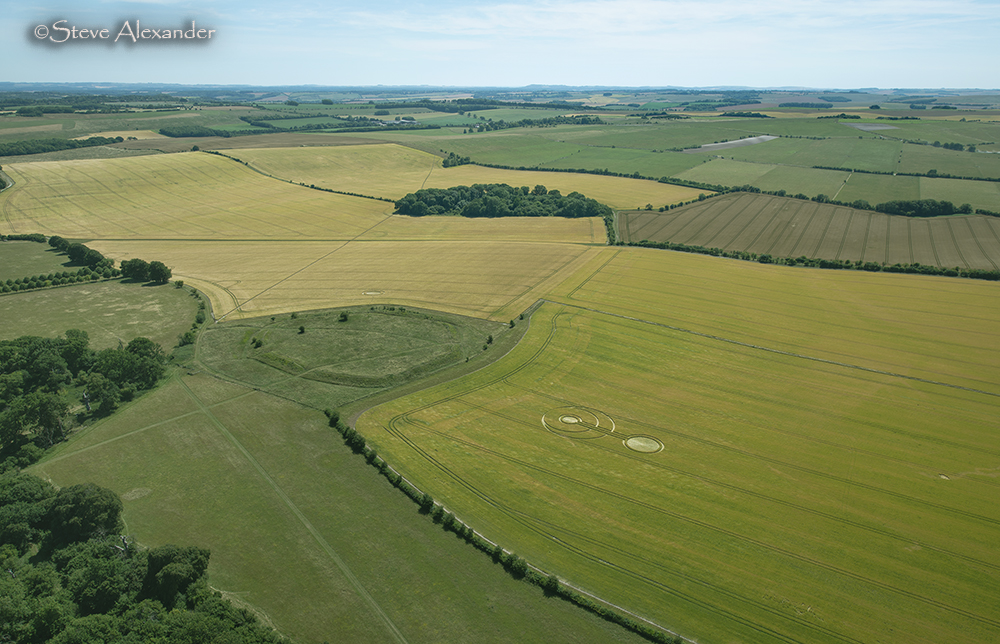
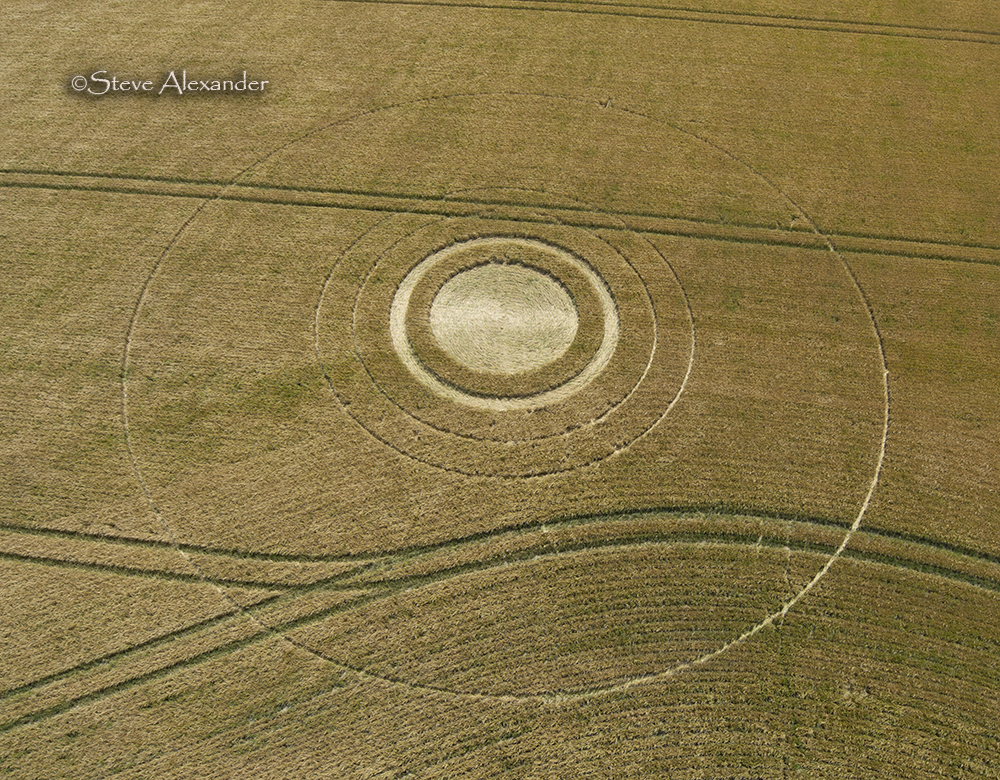
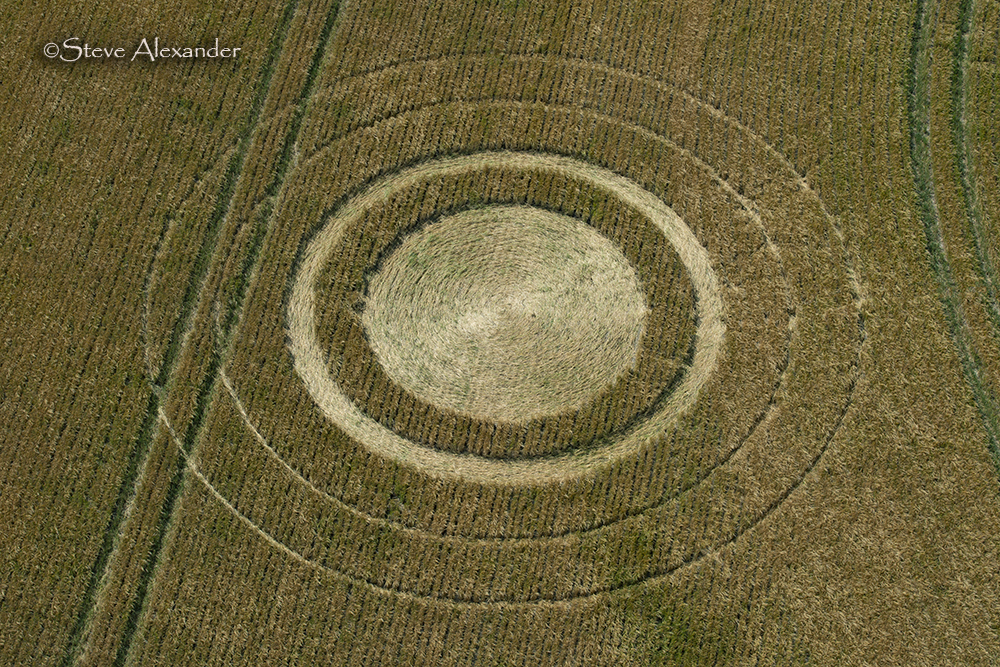
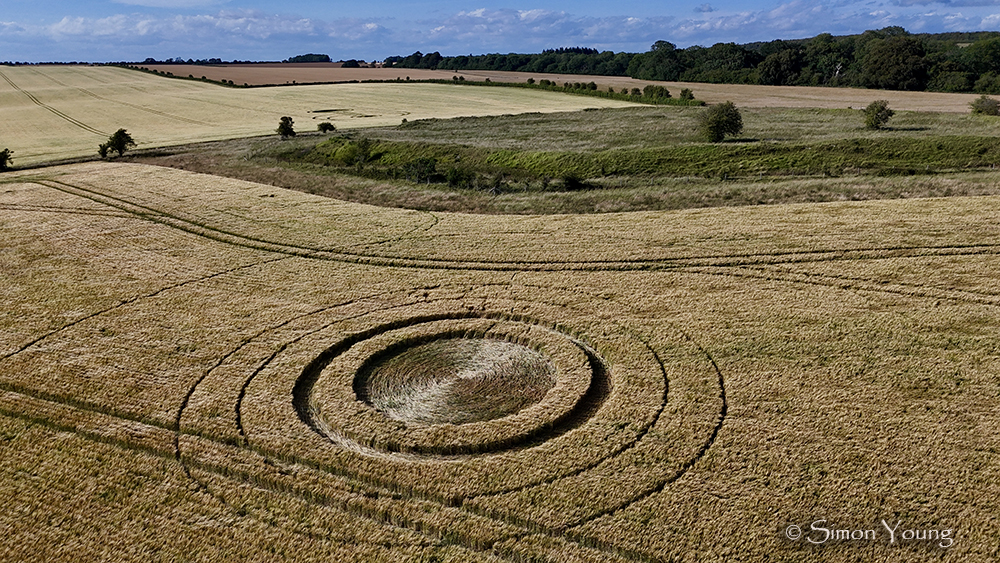
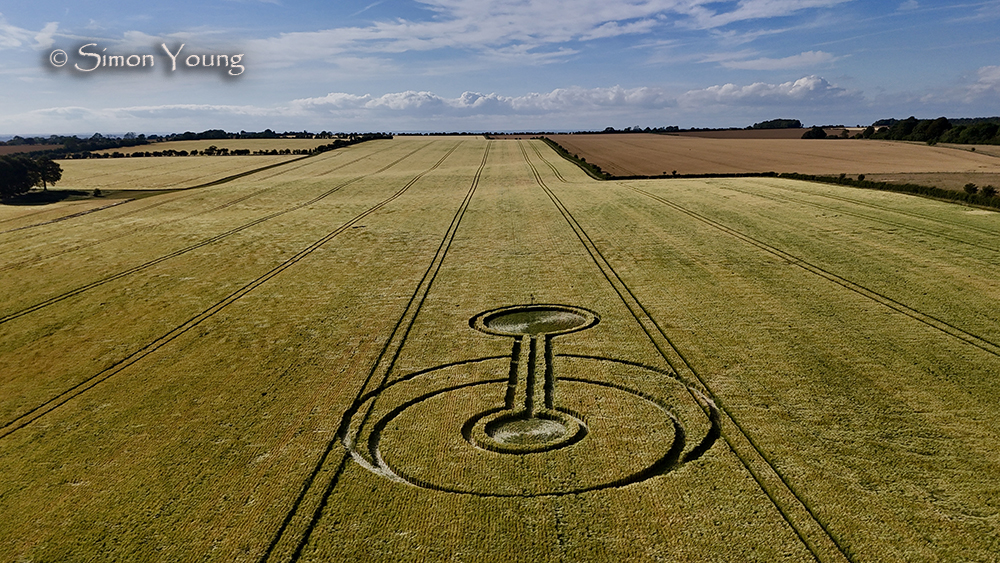
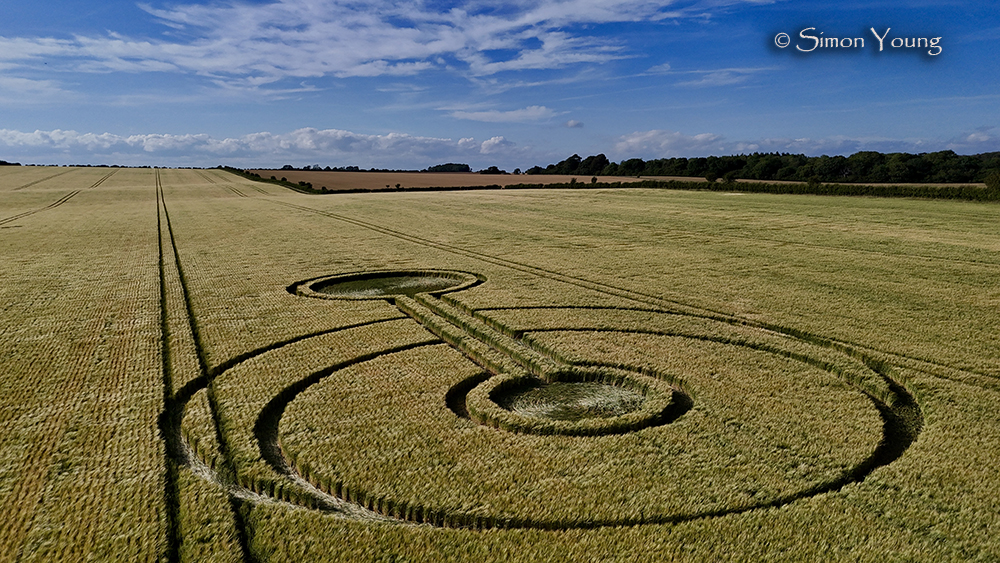
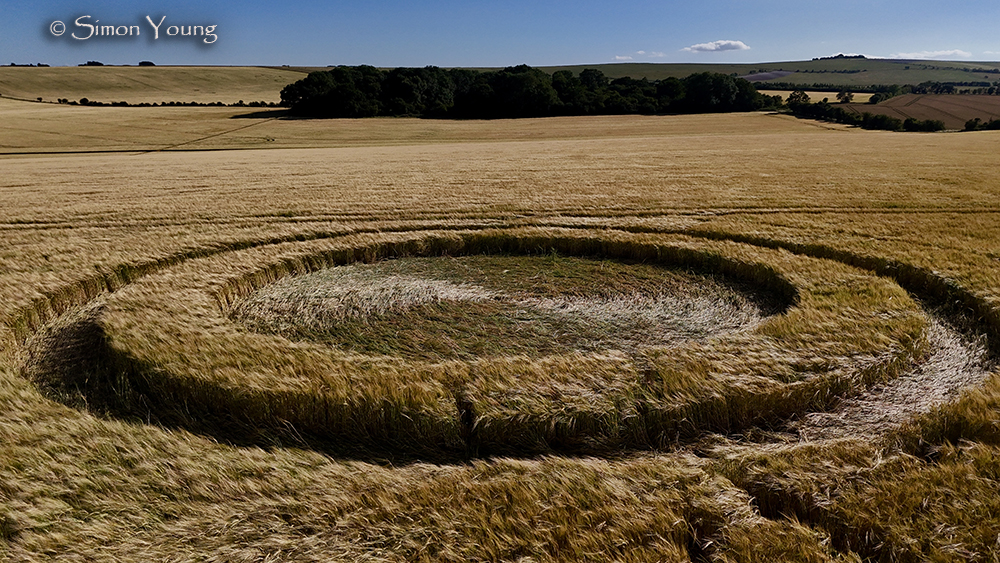
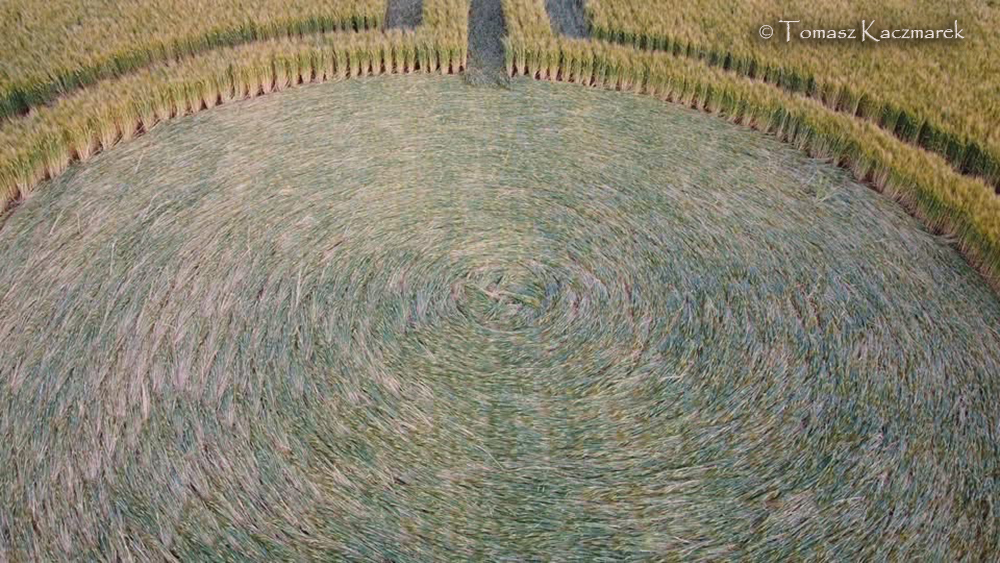
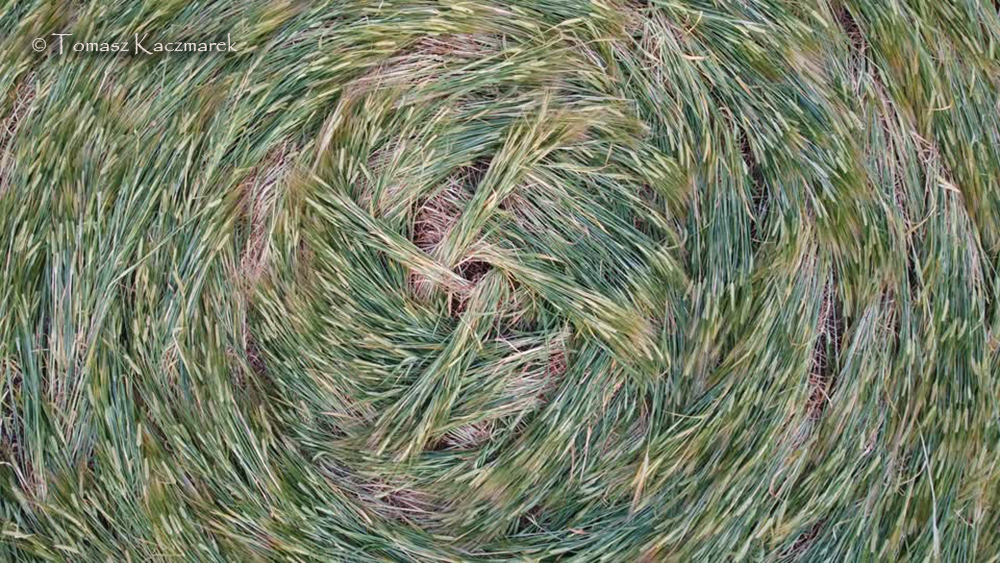
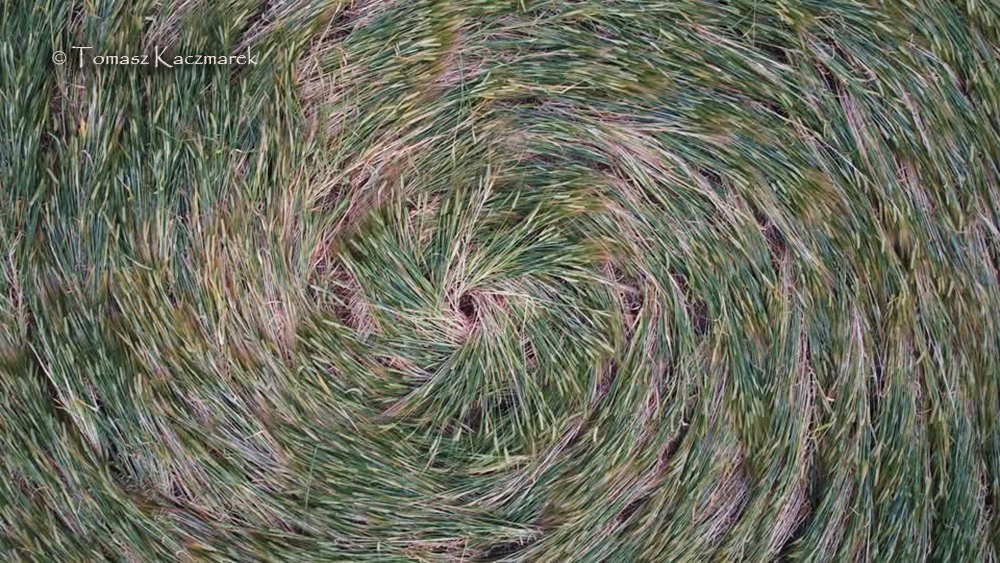
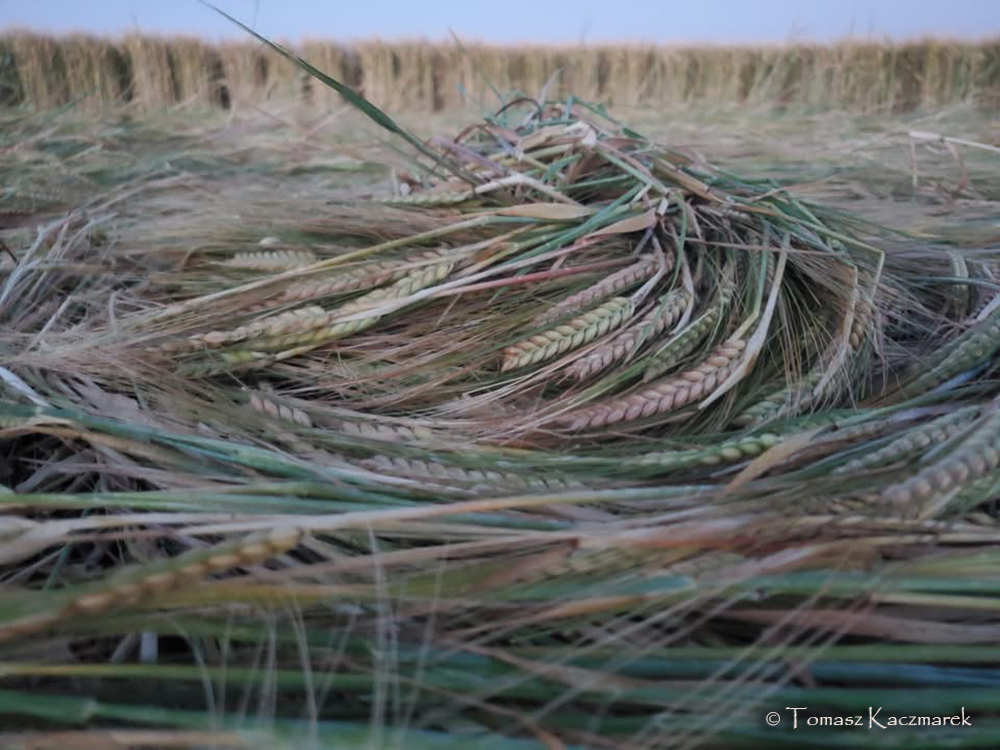
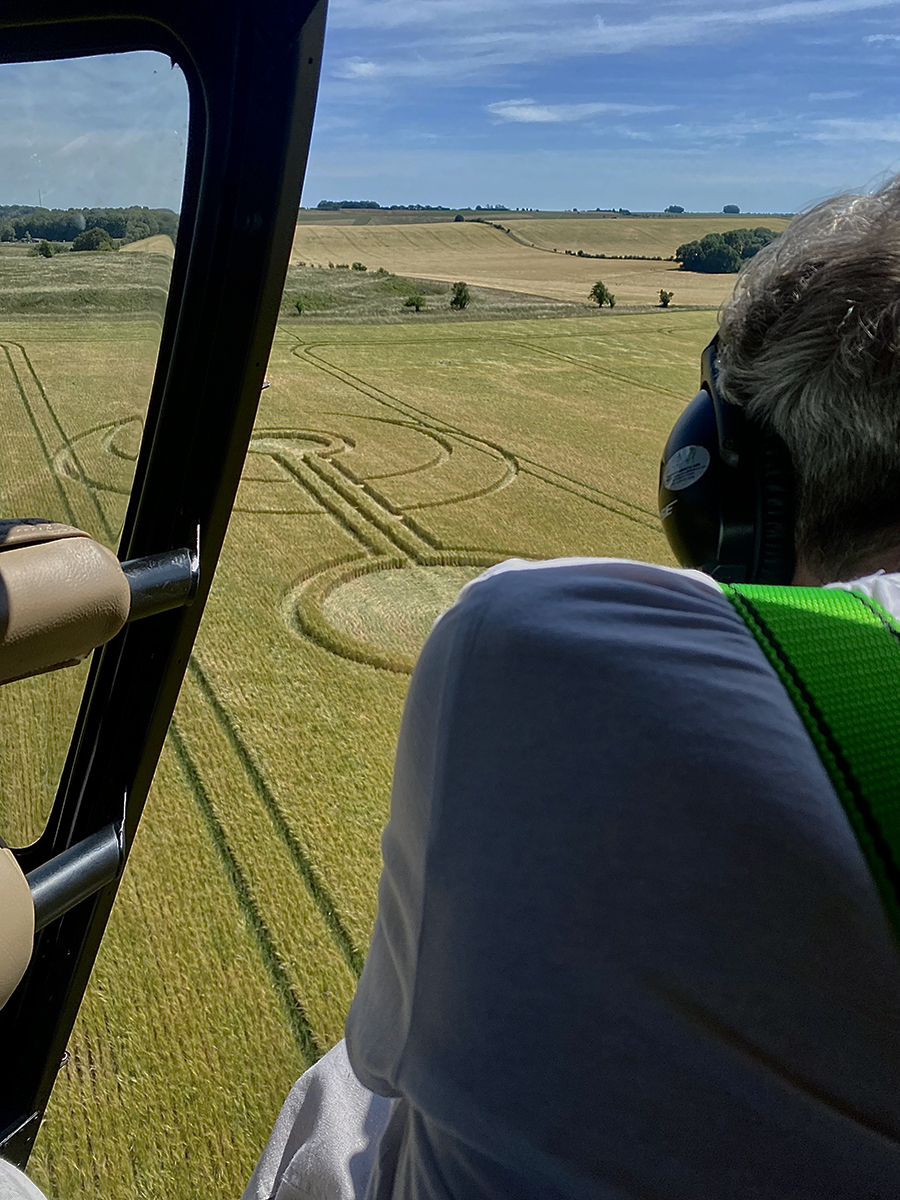
Image Licencing
We can supply high resolution images of many of our photographs and the sky is the limit as to what they can be used for! Choose from our extensive library or contact us to commission aerial photography for your project.
Geometry Gallery
Alfred’s Castle, July 3, 2026
By Peter van den Burg
What a season. There is so much narrative all the time. First we had a formation at Alfred’s tower, and now at Alfred’s castle. Besides the close proximity to neolithic monuments, it appears there is something we ought to learn about King Alfred. A quick glance on the internet tells of an influential figure for English culture, who provided lasting change bringing innovations in law and education. Interesting and inspiring figure.
Ringed Circle
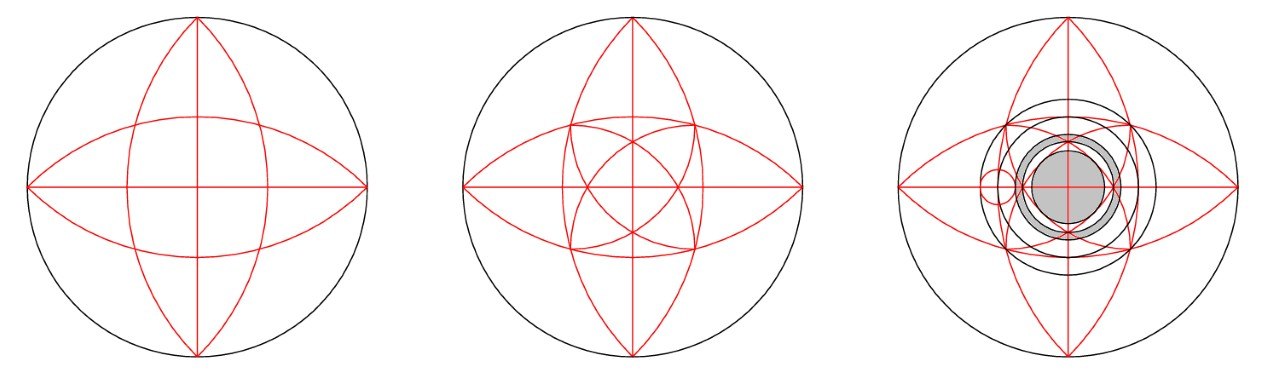
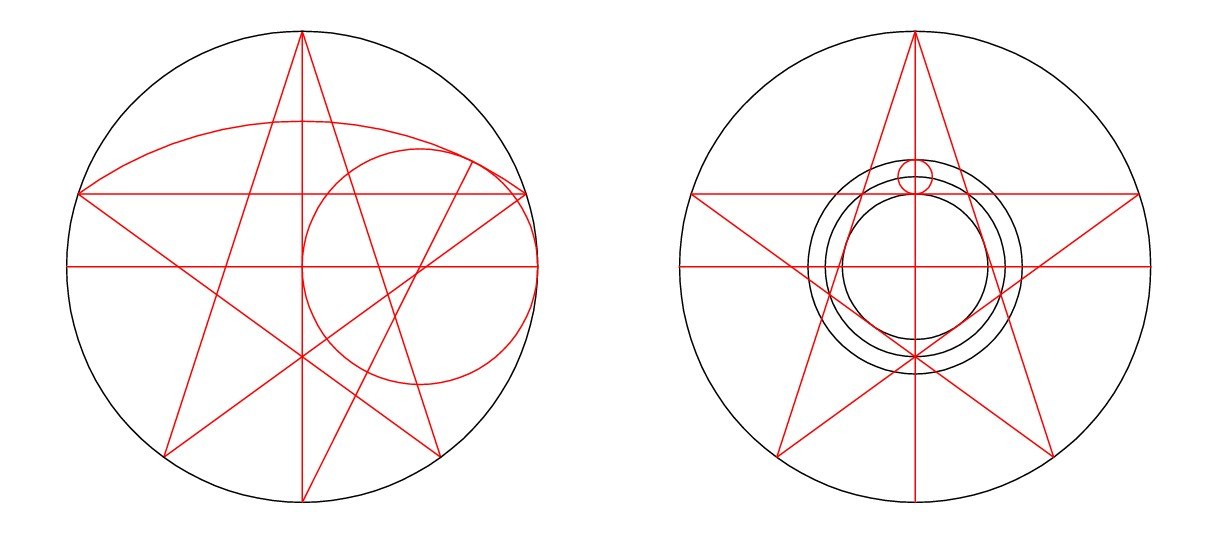
Another thing that this formation ties in with the rest of the season is the way the ratios are distributed. If you want to draw it on paper, the easiest way is to draw arcs from the endpoints of each axial line to the perpendicular placed axial line. Where these lines cross, a second set of arcs is drawn in.This incorporates the Eye theme we have had with some earlier formations this year, but now no longer visible, and only a structural part of the design. Integrated and internalised.Drawing it like this will give you five of six concentric circles. The one that is missing can be found by a tiny circle as shown.
So why is that deviant circle there? One can only guess. But it does show a nice harmonic. If we walk from the perimeter towards the center, we have a broad ring of standing crop, followed by a second band of standing crop. If we calculate the area of this second band, and convert that to a single circle, we have our deviant. The deviant circle also marks the boundary of the flattened crop. The total area of flattened crop convert to a single circle will have approx the same radius as the outer radius of the standing central ring. The deviant circle plays a role in balancing standing and flattened crop i think. It is also the circle that determines the inaccessibility of the flattened center. This cannot be entered through tramlines. So although this circle doesn’t fit as easy and natural as the other circles in this formation, it plays an important role in the whole design and how it communicates with us looking at it.
Dumbbell
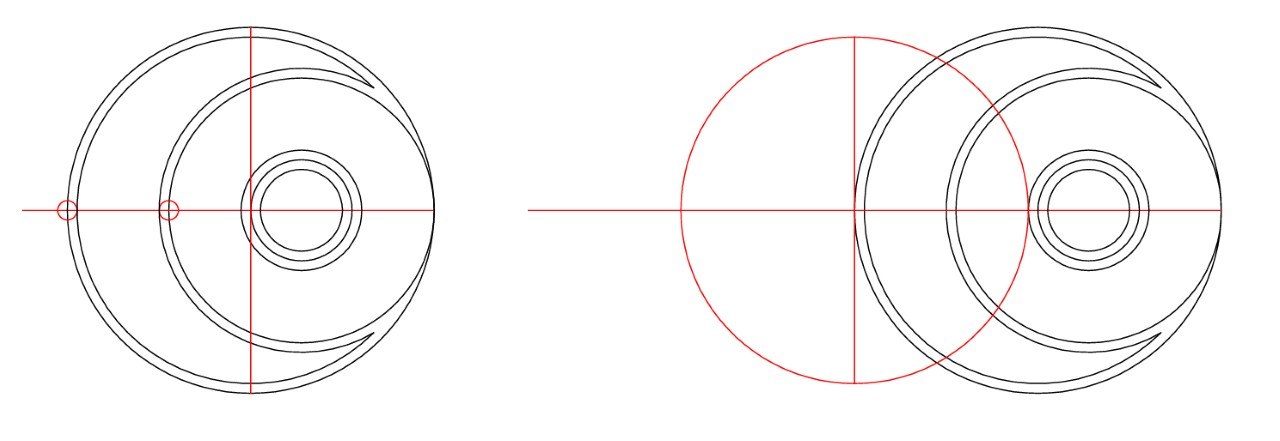
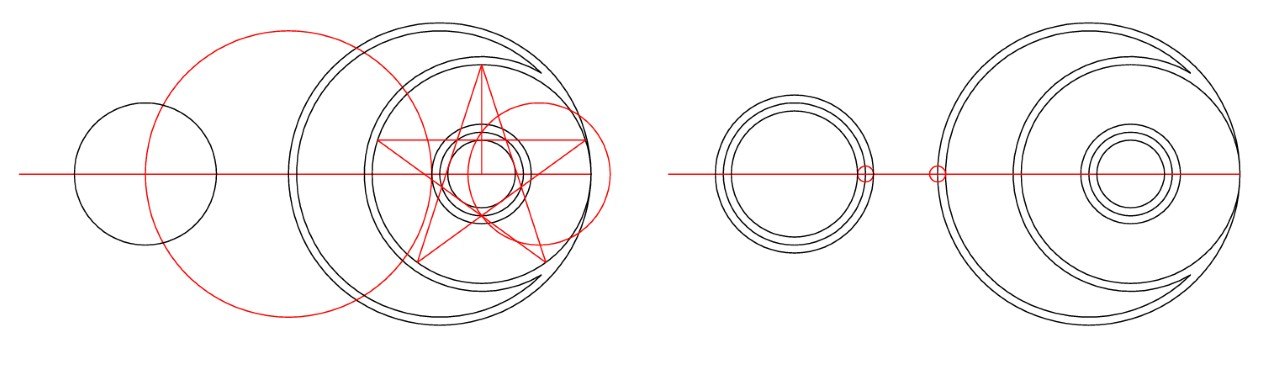
I love how the central disc that makes the medial curve of the crescent, pushes into the flattened avenue at the far end of the formation. I think it’s a brilliant detail that provides a certain dynamic and drama to the design. Even more so than the isolated centre. Well, drama is a big word. But it kind of does. (Back in ’23 there was a formation at Owslebury that did the same thing, also to great visual effect.)


Date
03.07.2026

Crop
Wheat & Barley (?)

Visiting
Location details:
Google Maps Link
OS Grid Ref: SU 27728 82233.
What-three-words: searches.card.regularly
Note: The locations given above are for Alfred's Castle, from which both circles should be visible.
Further Reading
Find out more on the websites below: